
Households are using more electricity than ever before due to the number of technological devices that are being used in the home; this means that we are more exposed to electrical hazards, which can cause serious harm like house fires and electrical injuries. Electrical injuries can come from many different sources but generally fall into one of three categories – burns, electric shock, and electrocution. Therefore, it’s important to know what you can do to protect yourself and your home from electrical hazards to avoid these types of accidents or injuries altogether.
- Watch for signs of faulty wiring: Flickering lights, hot outlets, or burning smells can indicate serious electrical issues—call a professional immediately.
- Avoid overloading power outlets: Plugging too many devices into one outlet can cause overheating, circuit trips, or even house fires.
- Replace old or damaged appliances: Frayed cords and worn-out devices increase the risk of electrical shock and should be repaired or replaced promptly.
- Keep electricity away from water: Never use appliances near water sources, and always switch off power immediately if contact occurs.
- Protect children from hazards: Use outlet covers and teach kids to stay away from wires and electrical devices.
- Act early to prevent accidents: Regular checks and proactive maintenance can significantly reduce the risk of electrical injuries and fires.
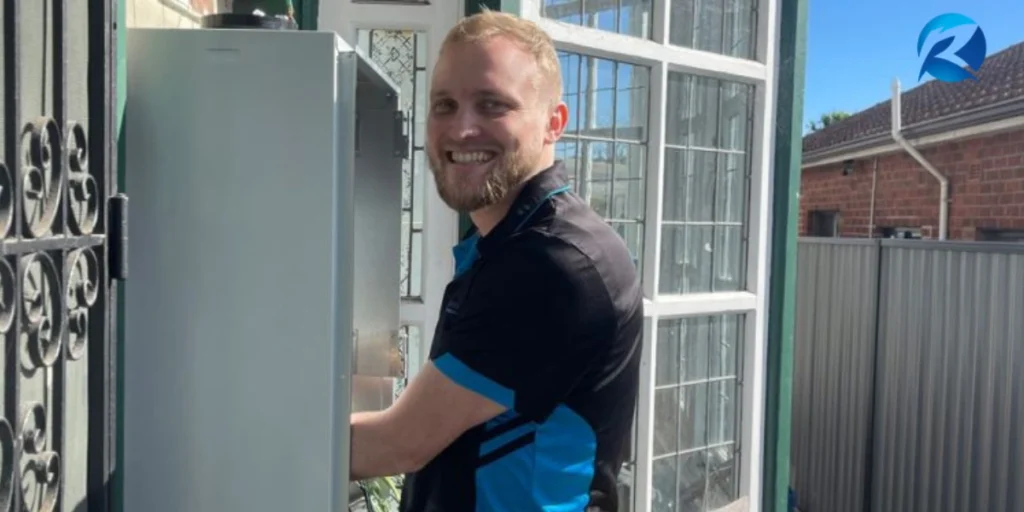
Faulty Wiring
Faulty wiring is one of the leading electrical hazards in the home. Faulty wiring can cause housefires, power surges and other electrical hazards, so it’s crucial that you know the warning signs of faulty wiring. These signs include:
- Buzzing or flickering lights: If your lights are flickering and dimming, it could be a sign of faulty wiring, especially if they dim/flicker when using multiple appliances.
- Hot power outlets: If your power outlets are hot or vibrating, that is another sign of faulty wiring.
- Burning smells: If you can smell burning, it is a sign that heat has already damaged your wiring.
If you notice any of these warning signs or aren’t sure if your wiring is in good shape, don’t hesitate to contact a professional electrician to come out and double-check that everything is working correctly and that there is no immediate danger.
Overloaded Power Outlets
Most homes have extension cords and outlets with multiple power appliances and devices being plugged into them. Every power outlet has a specific power load that it can safely handle. If this load is exceeded, it can cause the circuit breaker to trip, which shuts down the power supply.
If there is no circuit breaker, then overloaded power outlets can become a real fire hazard, as they can become overheated, which can cause the wires to begin to melt and can lead to a fire.
Signs that your power outlets have become overloaded include:
- Your power outlets making a buzzing noise
- Power outlets becoming hot
- Power outlets having a burning smell
- Scorched power outlets
To avoid this fire hazard, make sure you don’t overload your power outlets and switch them off in the event of a storm or when you go away on holiday.
Old and Damaged Appliances
Old and damaged appliances are a common electrical hazard, even if they are working normally. Always check your old appliances for frayed or cracked power cords, and replace them if they reach a certain age.
Phone, tablet and laptop chargers should also be checked regularly as they are used extensively and highly prone to damage. These chargers should be replaced when the cords become damaged to avoid any electrical hazards.
Plugging in/Using Appliances and Devices Near Water Sources
Appliances, devices and water do not mix and should be kept at a safe distance from each other as water is a good conductor to electricity. However, if an appliance/device does come into contact with water, it is crucial to act quickly and turn off the power source to avoid Electrocution and power shocks.
The obvious solution to this hazard is to keep appliances and devices a safe distance away from each other.
Children
Young children are often exploring and getting into things that they shouldn’t be getting into; this is no exception for electrical appliances and power outlets. Keep children safe by ensuring all electrical appliances in your home have protective covers over their power supplies.
Stop children from becoming seriously harmed or causing an electrical accident by teaching them never to remove a protective cover or go near electric wires or outlets; make it clear to them that doing so could expose them to deadly voltage levels or electric shocks.
If you notice a problem with your electrical appliances, power outlets, power cords, or light bulbs, do not try to fix the problem yourself, but contact an electrician straight away. At Russo Electrical, we have over 25 years of electrician work experience in Sydney. We pride ourselves on consistently delivering honest and trustworthy advice. If you have an electrical problem, please contact us on 0478 740 546 to find out more.
Common Electrical Hazards at Home – FAQs
What are the most common electrical hazards at home?
The most common electrical hazards include faulty wiring, overloaded power outlets, damaged appliances, using devices near water, and unsafe interactions by children.
These hazards can lead to electric shock, burns, or even house fires if not properly managed.
What are the warning signs of faulty wiring?
Signs of faulty wiring include flickering or dimming lights, hot or vibrating power outlets, and burning smells.
If you notice any of these, contact a licensed electrician immediately to prevent serious hazards.
What happens when power outlets are overloaded?
Overloaded outlets can cause circuit breakers to trip or, in worse cases, lead to overheating, melting wires, and electrical fires.
Warning signs include buzzing sounds, heat, burning smells, or scorch marks on outlets.
Are old or damaged appliances dangerous?
Yes. Appliances with frayed cords, cracked wires, or wear and tear can become serious electrical hazards.
Chargers and frequently used devices should be checked regularly and replaced if damaged.
Why should electrical appliances be kept away from water?
Water is a strong conductor of electricity, making it extremely dangerous when combined with electrical devices.
If an appliance comes into contact with water, turn off the power source immediately to prevent electrocution or shock.
How can children be protected from electrical hazards?
Install protective covers on outlets, keep appliances out of reach, and teach children not to touch electrical wires or devices.
Education and supervision are key to preventing accidents involving electricity.
How can I reduce the risk of electrical hazards at home?
Regularly inspect wiring and appliances, avoid overloading outlets, keep devices away from water, and install safety features like outlet covers and circuit breakers.
When in doubt, always consult a licensed electrician to ensure your home is safe.