
Adding an EV charger, induction cooktop, heat pump hot water system or larger air conditioner can change how much electricity your home needs at one time. If several high-demand appliances run together, an older or already heavily loaded electrical system may not have enough spare capacity.
That does not automatically mean you need three-phase power or a complete supply upgrade. In many Sydney homes, the right circuit design, appliance settings or load-management system can make better use of the existing supply.
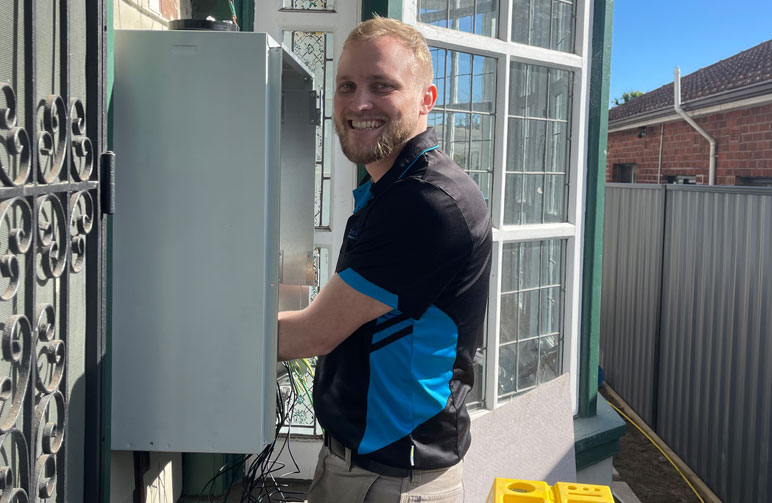
The only reliable way to know is to have a licensed electrician assess the property and the upgrades you are planning.
What Does Electrical Capacity Mean?
Your home's electrical capacity is the amount of electrical load its supply and installation can safely support. It is affected by more than the number shown on the main switch.
An electrician may need to check:
- Whether the property has single-phase or three-phase power
- The service connection and consumer mains
- The main switch and switchboard condition
- The size and protection of existing circuits
- The appliances already installed
- Which appliances are likely to operate at the same time
- The rating and operating settings of proposed new equipment
- Opportunities to control or stagger high-demand loads
A larger main switch cannot simply be fitted to create more capacity. Every relevant part of the supply and installation must be suitable for the proposed load.
Signs Your Home May Need a Capacity Assessment
Book an assessment before installation if you are planning one or more of the following:
- A dedicated home EV charger
- An induction cooktop or larger electric oven
- Electric or heat pump hot water
- Ducted or multi-split air conditioning
- Pool or spa equipment
- A workshop, granny flat or major renovation
- Replacing several gas appliances with electric alternatives
You should also arrange an inspection if the main switch or circuit breakers trip when several appliances are running, lights dim under load, the switchboard is old or crowded, or previous electricians have raised concerns about the incoming supply.
Tripping and dimming can have several causes, including faults. They should not be treated as proof that the home simply needs a larger supply.
How Common Upgrades Affect Demand
EV Chargers
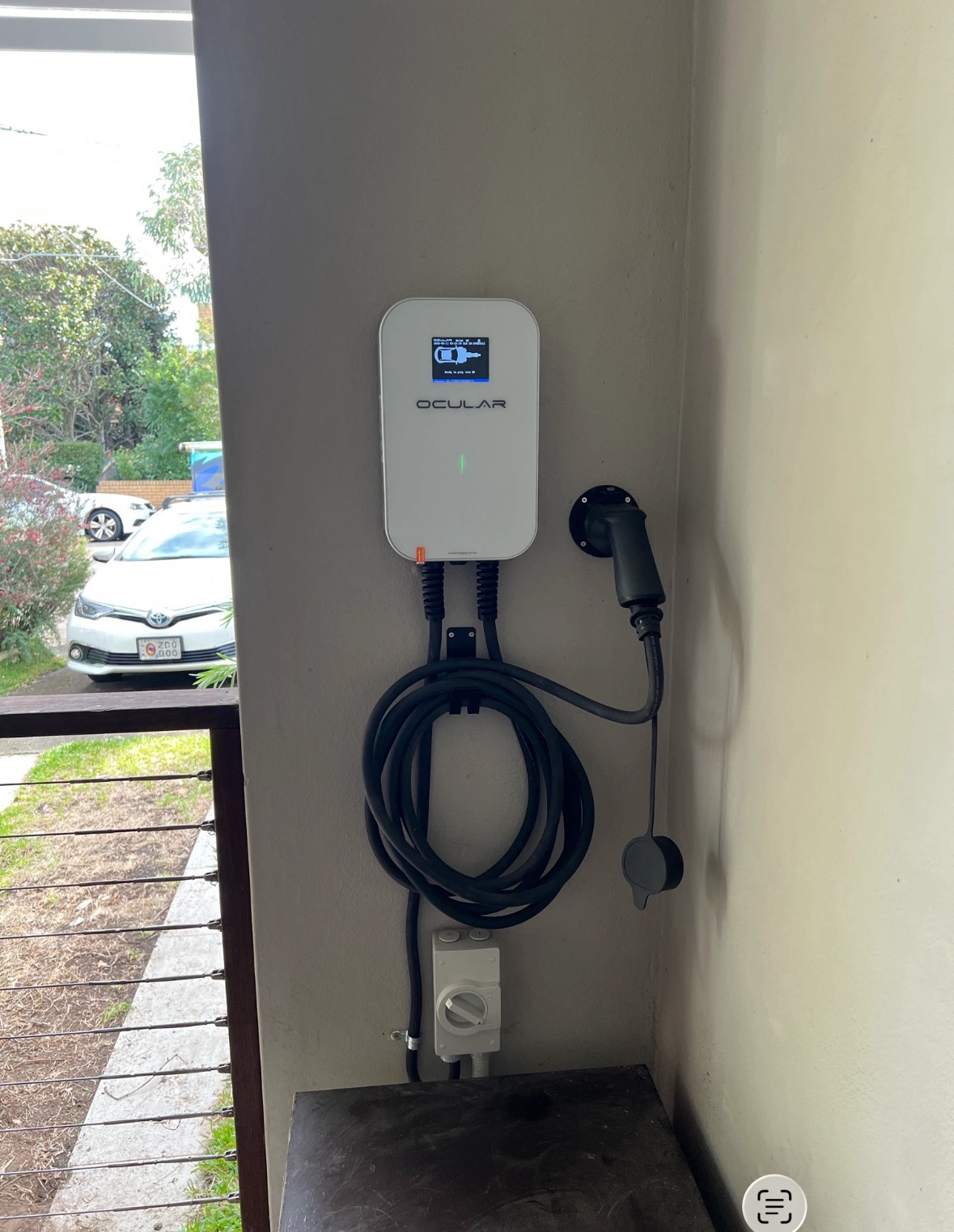
A dedicated EV charger is a sustained electrical load, often operating for hours. The right charger size depends on the vehicle, driving routine, available supply and how quickly charging is actually needed.
A 7 kW single-phase charger is common in homes. Three-phase equipment may allow faster charging where the vehicle and installation support it, but the fastest available charger is not always the best choice. Many drivers can replenish their normal daily travel overnight at a lower charging rate.
Smart chargers can reduce or pause charging when the home is using more power elsewhere. This dynamic load management may allow an EV charger to operate within the existing supply instead of competing with cooking, hot water and air conditioning.
Induction Cooking
Induction cooktops can draw substantial power when several zones are used at high settings. They commonly require a dedicated circuit, and NSW Government guidance notes that some homes may need switchboard work.
Some models allow an electrician or installer to set a maximum power limit. This can reduce peak demand, although it may limit how much power the cooktop can deliver when several zones are used together. The appliance instructions and the household's cooking needs should guide that decision.
Electric Hot Water

Electric storage and heat pump hot water systems have different electrical requirements. Heat pumps generally use less electricity than conventional resistive systems, but the unit, backup element and installation method still need to be checked.
Hot water may also be scheduled or connected under an appropriate controlled-load arrangement. Shifting water heating away from busy household periods can reduce the chance of several major loads running together.
Air Conditioning
Air-conditioning demand varies widely. A small split system is very different from a large ducted system with multiple zones. Starting characteristics, rated input, diversity and the manufacturer's requirements all form part of the assessment.
The key question is not whether the home has air conditioning. It is how the proposed system will operate alongside cooking, hot water, EV charging and the home's other loads.
Moving From Gas to Electric
Replacing gas cooking, hot water and heating with electric appliances can lower gas use and remove the daily gas supply charge once the gas connection is no longer needed. It also concentrates more of the home's energy demand on the electrical system.
Plan the change as a whole, even if the appliances will be replaced over several years. That helps avoid installing a switchboard or supply arrangement now that must be altered again for the next upgrade.
Single-Phase vs Three-Phase Power
Most household appliances can operate on single-phase power, and many Sydney homes can add modern electric appliances without converting to three phase. Three-phase power distributes load across three active conductors and can support equipment designed for a three-phase connection.
An upgrade may be considered where:
- The calculated demand exceeds the practical capacity of the existing supply
- A large appliance specifically requires three phase
- Several major electrical upgrades are planned
- Faster three-phase EV charging is genuinely needed
- The existing service or consumer mains need replacement for other reasons
Three phase is not a shortcut for poor load planning. It can involve changes to the network connection, metering, consumer mains and switchboard. Depending on the work, an Accredited Service Provider may be required.
What Is Maximum Demand?
Maximum demand is the highest electrical load an installation is expected to place on its supply under the applicable design rules. It is not found by casually adding every appliance's nameplate rating, because not every load runs at full power at the same time. It is also not safe to guess that normal habits will never change.
A licensed electrician calculates or assesses maximum demand using the installation requirements, the connected equipment and the way the property will be used. For an existing home, interval meter data or on-site load monitoring may provide useful evidence, but historical usage alone may not reflect a future EV charger or all-electric upgrade.
Can Load Management Avoid a Supply Upgrade?
Sometimes. Load management controls when or how strongly certain appliances operate so the home stays within an agreed limit.
Examples include:
- Reducing EV charging while the cooktop or air conditioner is drawing more power
- Scheduling hot water and vehicle charging at different times
- Applying a suitable power limit to an appliance
- Prioritising essential loads over flexible loads
This can be more practical than increasing the network supply, especially when high-demand appliances rarely need full power together. The system must be properly designed and fail-safe. A plug-in timer or an informal promise to "not use both at once" is not a substitute for compliant load control where it is required.
What Happens During a Home Electrical Capacity Assessment?
The electrician should first ask what you want to install now and what may be added later. A useful assessment may include:
- Confirming the existing supply arrangement and phases
- Inspecting the switchboard, main switch, protective devices and available space
- Checking the service connection and consumer mains where accessible
- Recording existing and proposed major loads
- Assessing maximum demand and likely load overlap
- Reviewing meter data or measuring demand where helpful
- Comparing load-management options with a supply upgrade
- Identifying any distributor, metering or ASP work required
The outcome should be a practical upgrade plan, not just a yes-or-no answer. It may recommend using the existing supply, upgrading the switchboard, adding controlled load management, altering the incoming supply or staging the work over time.
Should I Assess Capacity Before Buying Appliances?
Yes, particularly for an EV charger, induction cooktop, ducted air conditioner or whole-home electrification plan. Two products that do the same job may have different circuit, phase and maximum-input requirements.
An early assessment helps you choose equipment that suits the property. It also exposes switchboard, cabling or network costs before the appliance arrives and the installation becomes urgent.
Plan Your Home's Next Electrical Upgrade
Russo Electrical can assess your existing supply, switchboard and planned appliances, then explain the practical options for your Sydney home. We can look at EV charging, induction cooking, electric hot water, air conditioning and future gas-to-electric upgrades as one coordinated plan.
Planning a major electrical upgrade? Book a home electrical capacity assessment before choosing the final equipment.